What Makes Orlando's Climate Unique for HVAC Systems?
Published: 2026-06-03 · By Orlando Air Conditioning Repair Co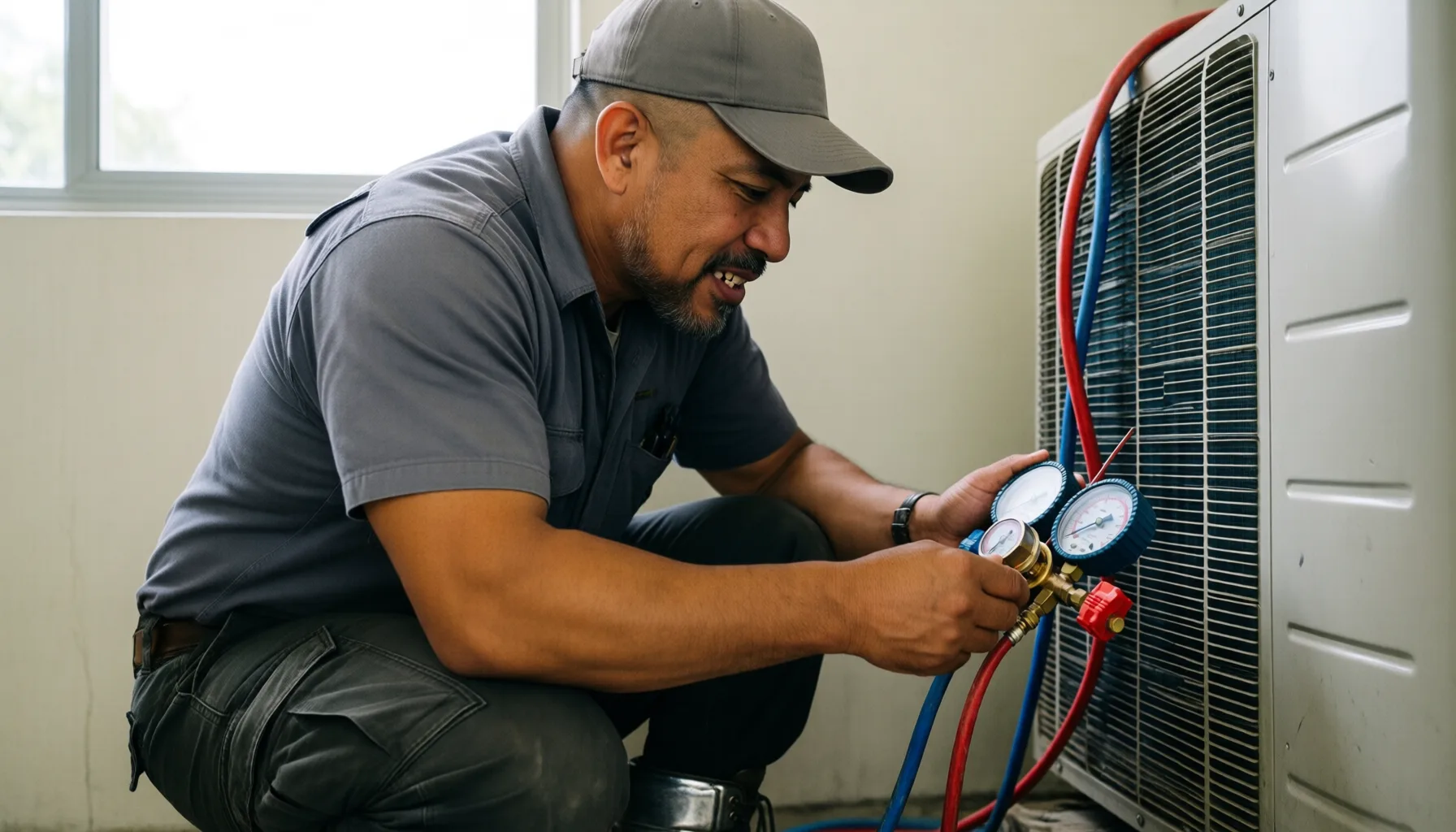
Living in Orlando has its perks: abundant sunshine, year-round warmth, and vibrant cultural scenes. However, the unique climate here also imposes specific challenges for your HVAC system. As a homeowner, you might have noticed that humidity levels soar during the summer months, making a reliable air conditioning unit indispensable. The wear and tear from salt air and tropical storms further complicate upkeep, leading to higher repair rates. If you want to keep your home comfortable, understanding these factors is key.
Why This Matters for Orlando Homeowners
The humid subtropical climate in Orlando places tremendous strain on residential HVAC systems. High humidity not only makes homes feel warmer but can also lead to moisture build-up, mold growth, and a reduced lifespan for your AC unit. Additionally, the corrosive nature of salt air can accelerate deterioration in outdoor components, from condensers to copper coils. Many homeowners find that what starts as a minor issue can mushroom into costly repairs if not addressed promptly.
With the possibility of severe weather, including hurricanes, it’s critical to have an HVAC system that can withstand not only high heat but also intense moisture. Homes elevated for flood safety often have inadequate airflow, posing further complications.
Tip: Regular maintenance checks can save you up to 30% on energy bills and prolong your system's life by years.
Understanding these weather-related factors equips Orlando homeowners to make informed decisions regarding their HVAC systems. An ounce of prevention is worth a pound of cure in this climate, especially with our long hot summers and unpredictable storms.
Expert Solutions & Actionable Tips
1. Optimize Your HVAC Filter Schedule
Proper airflow is essential for efficient heating and cooling. In Orlando’s humid climate, it’s recommended that homeowners change air filters at least every 30 to 45 days. With pollen and mold spores prevalent in the air, a clean filter can significantly improve indoor air quality. Expect to invest around $15 to $25 per filter, depending on the type you choose.
Some homeowners prefer to purchase filters in bulk. By doing so, you can save about 10% on your overall costs and ensure you always have a fresh filter handy.
2. Evaluate Ductwork for Leaks
In Florida, duct leaks are common due to the high humidity climate and potential growth of mold. These leaks can cause your system to work harder, increasing your energy bills. You can perform a simple visual inspection of ductwork in your attic or crawl space. A professional evaluation and sealing typically cost between $300 and $800, but the energy efficiency benefits can lead to savings in the long run.
Having well-sealed ducts enhances airflow, which is vital when temperatures soar during summer months.
3. Invest in a Programmable Thermostat
A programmable thermostat could save you anywhere from 10% to 30% on energy bills by allowing you to set your AC to automatically adjust based on your schedule. Installing this device only requires a few hours of work, either by a DIY enthusiast or a local technician, and costs approximately $100 to $300 for the device itself.
This investment can significantly optimize energy consumption and adapt to the unrelenting Florida heat.
4. Consider a Dehumidifier
Given Orlando's high humidity, investing in a whole-home dehumidifier can help protect your health and your HVAC equipment. The average cost of installation is around $1,200 to $2,500, depending on your home size. Along with improving comfort levels, a dehumidifier can prevent mold growth and damage to your home's structure.
Consider this as a vital addition, especially as moisture-related issues are common in Florida residences.
5. Regularly Service Your AC Unit
Scheduling routine professional maintenance once or twice a year can extend your HVAC system’s life by several years. During a service appointment, a technician will check refrigerant levels, clean coils, and inspect the overall functionality of the unit. Expect to pay between $100 and $200 for such service, which can uncover potential issues before they require more costly repairs.
Timing these service sessions at least pre-and post-summer can help prepare for the most demanding months.
6. Upgrade to Corrosion-Resistant Equipment
Standard HVAC units may not hold up well against the corrosive effects of salt-laden air in Orlando. Investing in corrosion-resistant materials can add durability to your system. Upgrading to a unit with a protective coating could set you back $500 to $1,500 more upfront, but you'll likely see a significant return through fewer repairs and a longer system lifespan.
This option could be crucial in areas of Orlando closely positioned to the coast, where salt exposure is a genuine concern.
Orlando Climate & Local Context
Orlando experiences a unique blend of weather patterns that influence the HVAC landscape significantly. The city's humid subtropical climate leads to hot summers with temperatures often exceeding 90°F and high humidity levels, making efficient cooling vital. Traditional construction methods also present challenges; elevated homes equipped with proper moisture barriers are critical for protecting both the structure and the HVAC system from excess moisture.
Local building codes further stipulate requirements to counteract potential flood damage from tropical storms or hurricanes. Homeowners must ensure that their HVAC installations comply with these regulations to avoid costly penalties and ensure safety. Furthermore, insulation methods differ from other regions, focusing on moisture control while enhancing heating and cooling efficiency.
When to Call a Professional
While some home HVAC repairs can be DIY projects, knowing when to call a pro is essential in Orlando’s climate. If you encounter symptoms like unusual sounds, persistent humidity, or inconsistent temperature, these might indicate underlying issues requiring a professional touch.
- Refrigerant leaks
- Frequent cycling on and off
- Water pooling around the unit
- Foul odors emanating from vents
- Excess humidity despite cooling
- Frost or ice on coils
Addressing these red flags sooner rather than later can minimize extensive repairs or potential replacements down the line. Orlando homeowners should weigh the benefits of timely professional intervention versus the risks of DIY fixes.
Frequently Asked Questions
What common HVAC problems should Orlando homeowners watch for?
Common HVAC issues in Orlando include refrigerant leaks, mold growth due to high humidity, and temperature inconsistency. Regular maintenance can preempt these problems.
Why is humidity control vital for HVAC systems in Orlando?
Humidity control is crucial because it affects comfort levels and prevents mold growth, which can damage home structures as well as HVAC units.
What are the benefits of regular HVAC maintenance?
Regular maintenance extends the life of your HVAC system, improves energy efficiency, and prevents costly repairs, which is especially important in Orlando's harsh climate.
How often should I replace my HVAC filters?
In Orlando's humid climate, it's best to replace filters every 30 to 45 days to maintain optimal airflow and air quality.
When should I consider upgrading my HVAC unit?
If your system is over ten years old, frequently breaks down, or cannot keep your home comfortable, it’s advisable to explore new, energy-efficient options.
Get Expert HVAC Service in Orlando
If you want to ensure that your HVAC system is running efficiently to combat Orlando's challenging climate, don’t hesitate to reach out. Call (321) 483-3630 today!
Trust Orlando Air Conditioning Repair Co to keep your home cool and comfortable, no matter what Mother Nature throws our way.